Future Pathways: Building Courage and Community at the WholeGirl+ Education National Conference
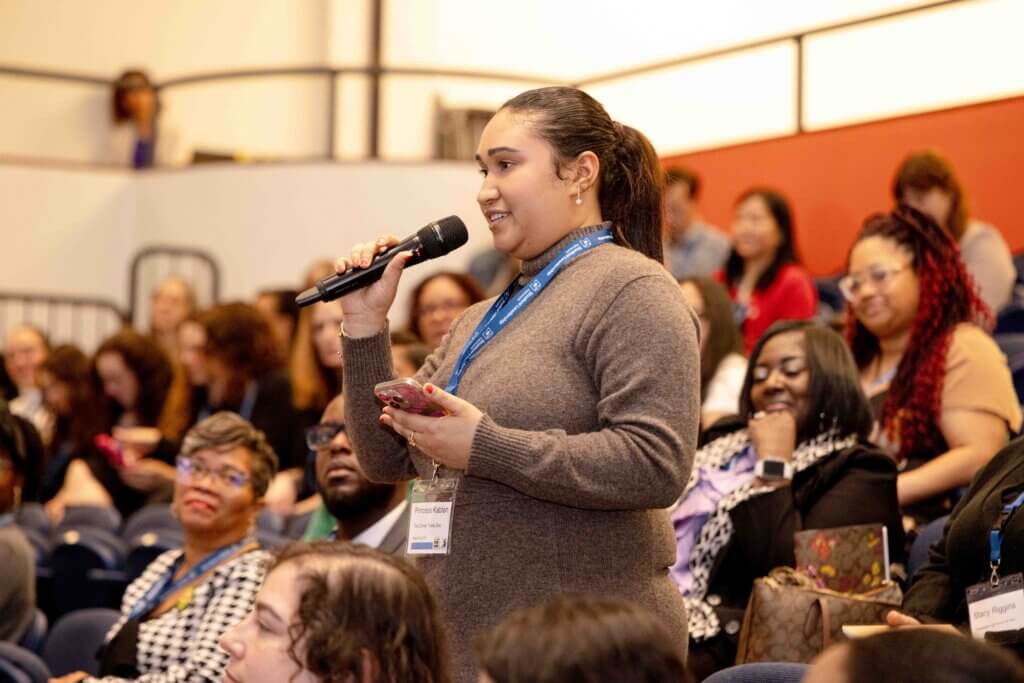
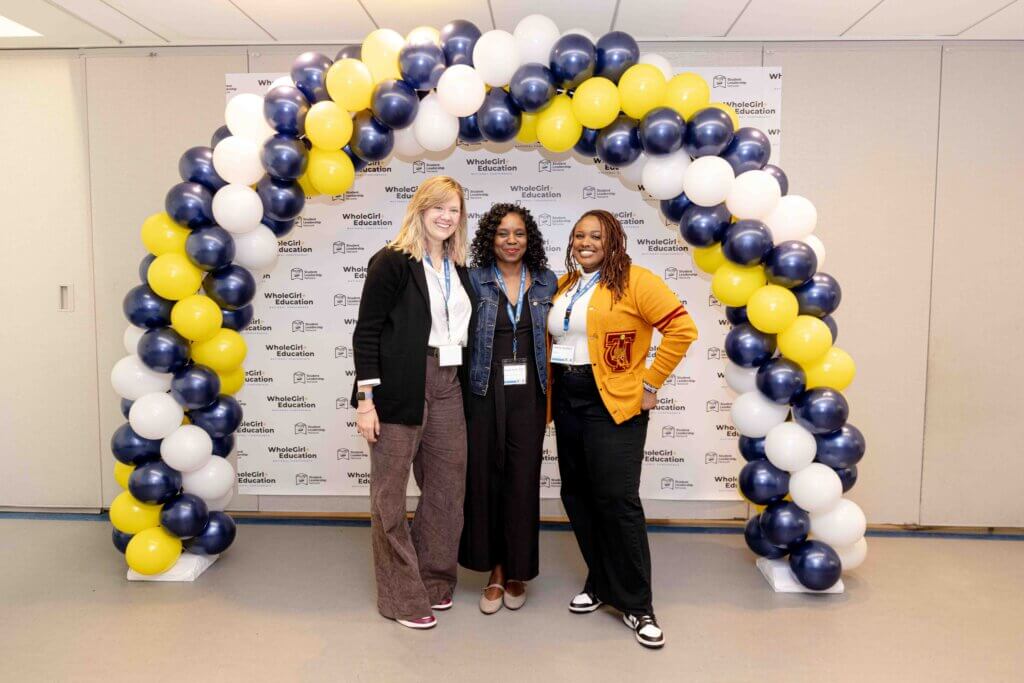
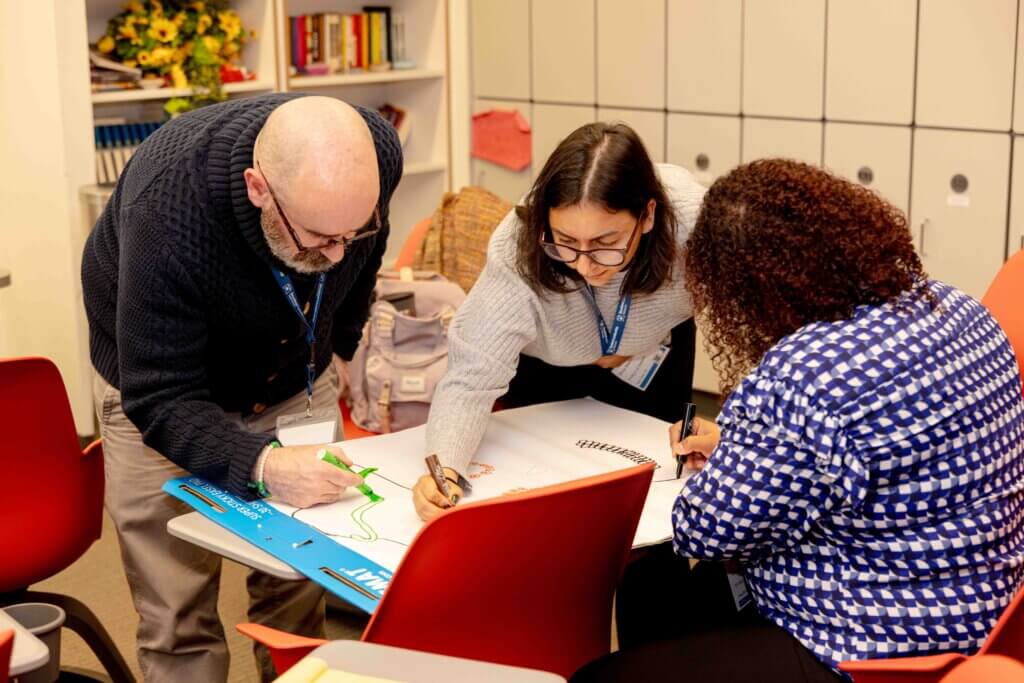
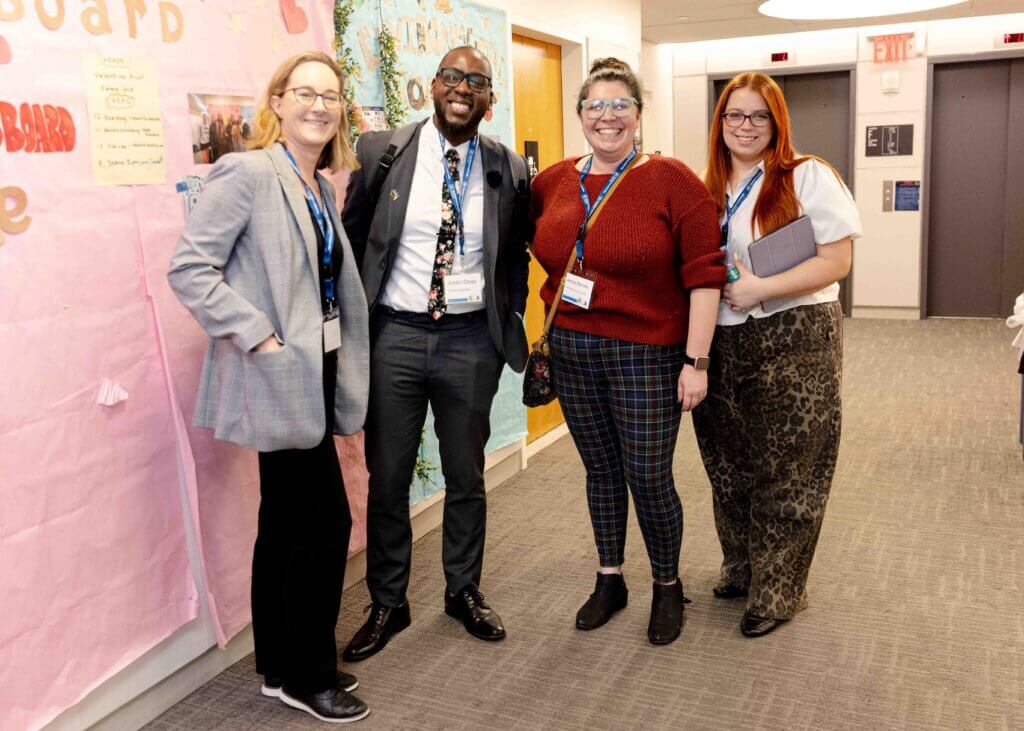
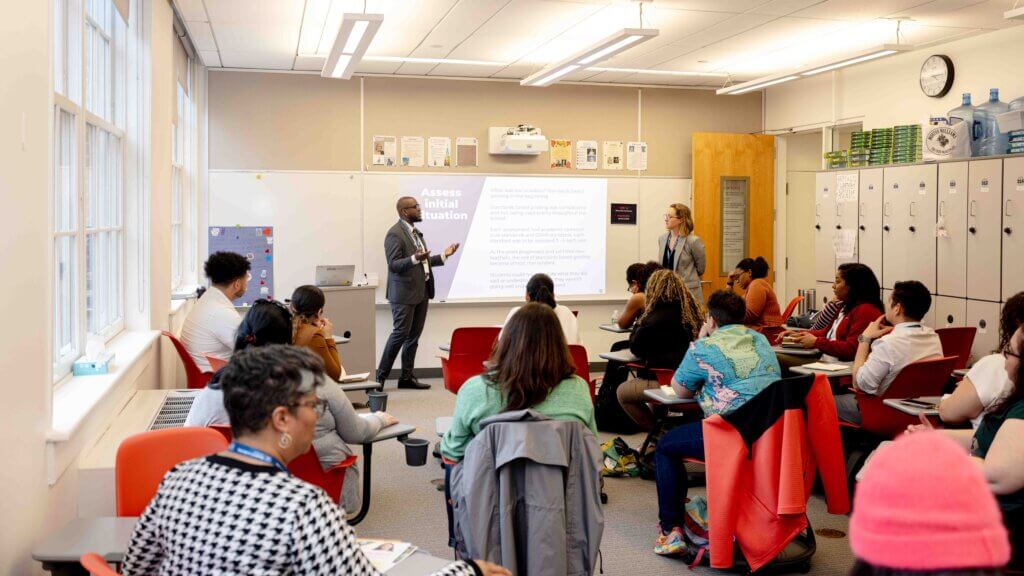
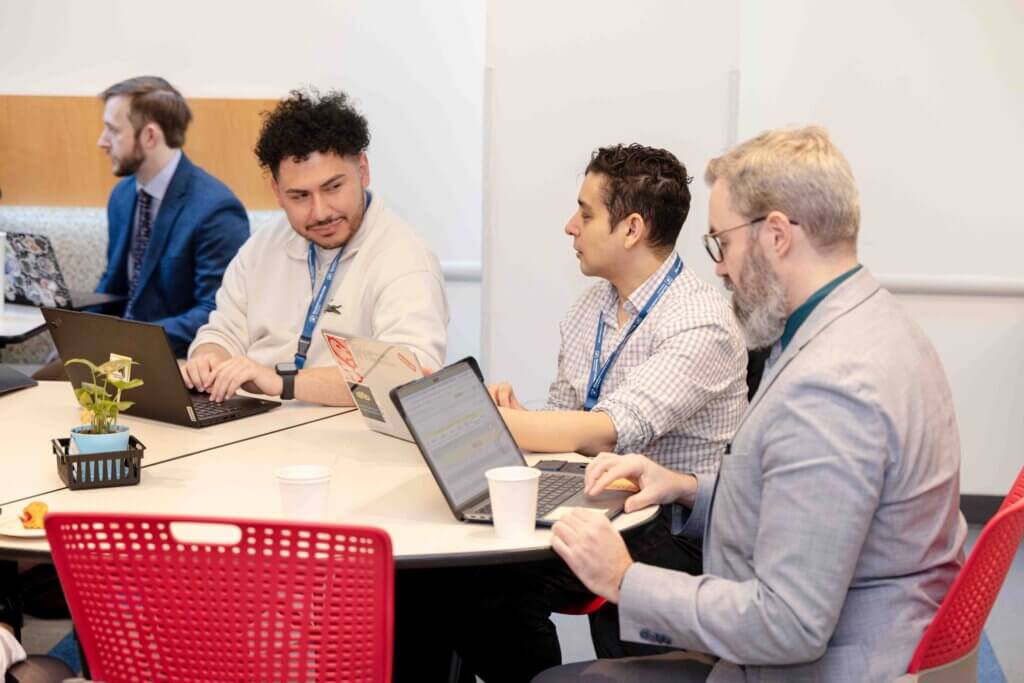
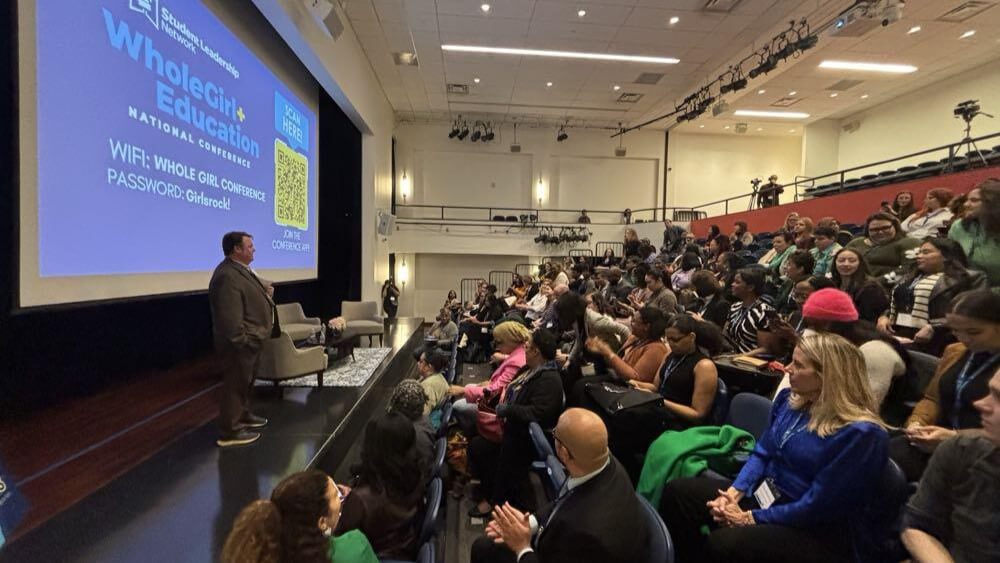
The third annual WholeGirl+ Education National Conference brought together over 140 educators and program partners from across the country. The theme, Future Pathways: Educating Girls+ in the Next Digital Age, is especially relevant in today’s world as students and teachers navigate AI learning tools, social media, and shifting college and career expectations. Hosted at The Nightingale-Bamford School, over 25 breakout sessions and plenary discussions encouraged educators and program practitioners to exchange best practices and innovations to support girls and gender-expansive youth (girls+) in today’s complex digital world.
Challenges in Education Policy and Enrollment
Acknowledging the challenges of the educational landscape, the conference kicked off with a panel moderated by Laura Rebell-Gross, Senior Managing Director of Girls’+ Education at Student Leadership Network, who asked school and district leaders to share their insights and strategies to address enrollment and policy issues. Post-pandemic enrollment numbers have not recovered, and the population of school-aged children continues to decline nationwide. Dr. Noah Angeles, High School Superintendent of New Visions in NYC Public Schools, noted trends in parents seeking larger schools due to the variety of extracurriculars and classes offered, and saw opportunities in hyperlocal advertising to families.
At the same time, rapidly evolving federal and state policy changes under the current administration are affecting the safety of families and taking an emotional toll on educators. On policy changes, Nicole Smith, EdD, the CEO of Kansas City Girls Preparatory Academy, remarked, “Because there are attacks on DEI and on women, this can be our moment of attracting families who are looking to educate their children about these issues.” Colleen McGeehan, Principal of The Young Women’s Leadership School (TYWLS) of Manhattan, added that the value of creating and supporting student affinity groups for different identities is an important aspect of acknowledging students’ concerns and creating safe spaces for them at school.
The Power of Digital and Media Literacy
A common theme woven throughout the sessions is the need to teach media literacy in a world full of rapidly shared disinformation.
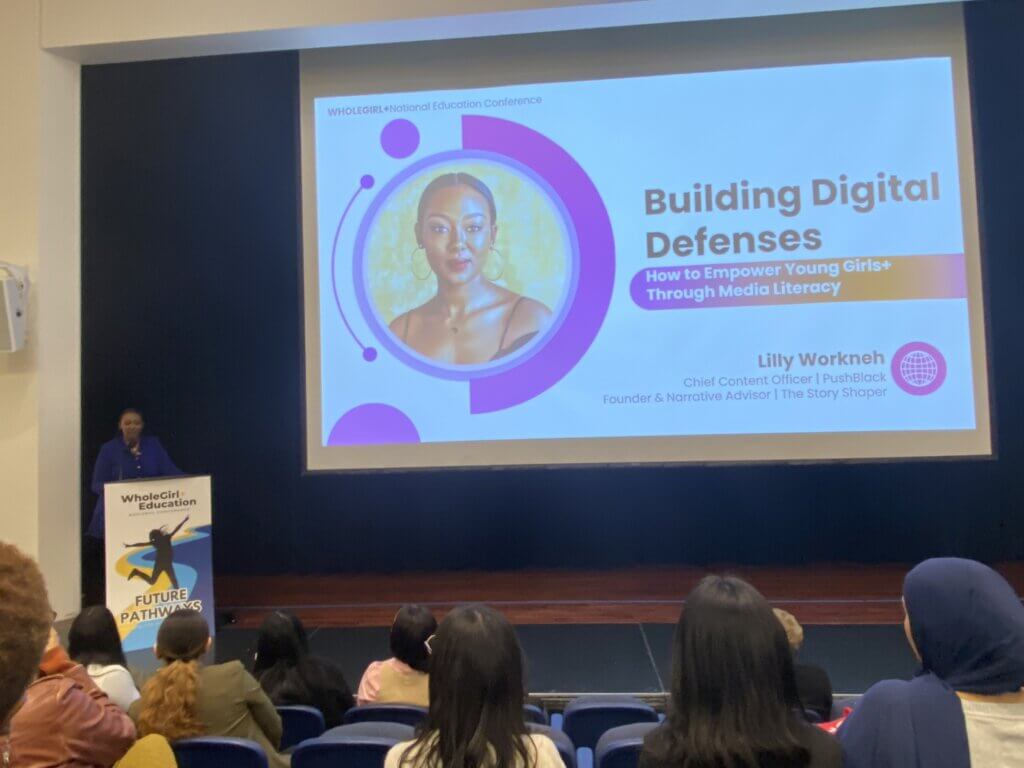
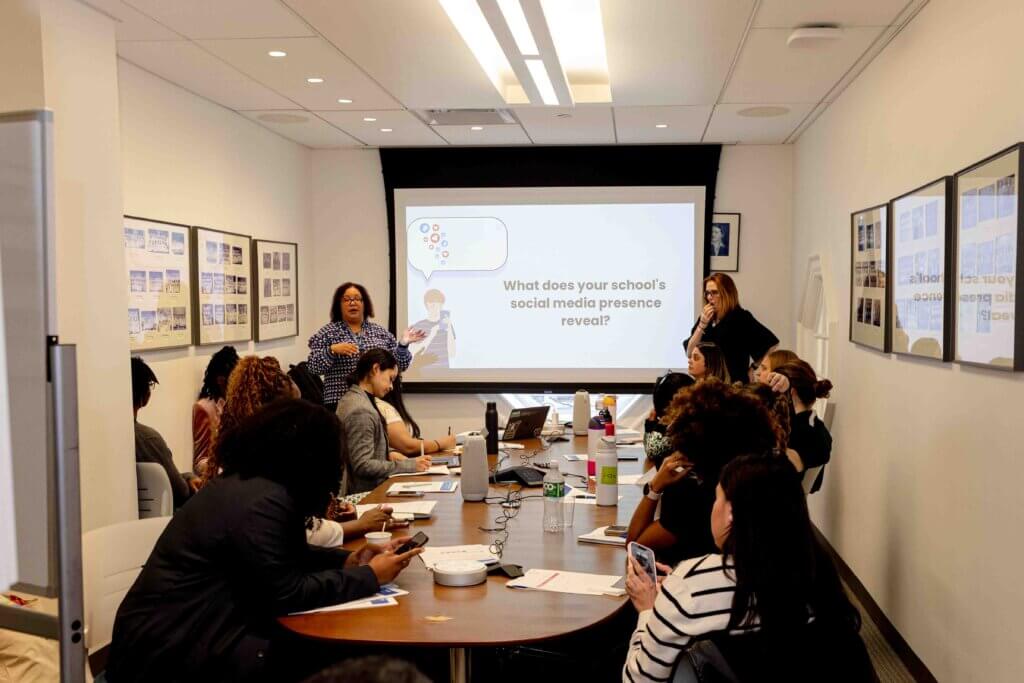
Lilly Workneh, the Chief Content Officer of PushBlack and Founder of The Story Shaper, delivered a powerful lesson in media literacy. News and entertainment are often consumed through social media today, especially among youth. “Social media is intentionally designed to be addictive,” Lilly emphasized. “It’s essential that we teach young girls to be mindful of this reality and equip them with the tools to navigate these platforms critically and responsibly.” Lilly shared valuable and practical media literacy activities tailored for teachers and spotlighted helpful resources for educators and students to strengthen their media literacy skills.
Educators are often on the frontlines of teaching digital literacy and how to use tools effectively in school. In a session about digital tools for college access, a teacher from Missouri asked for tools for her middle school.
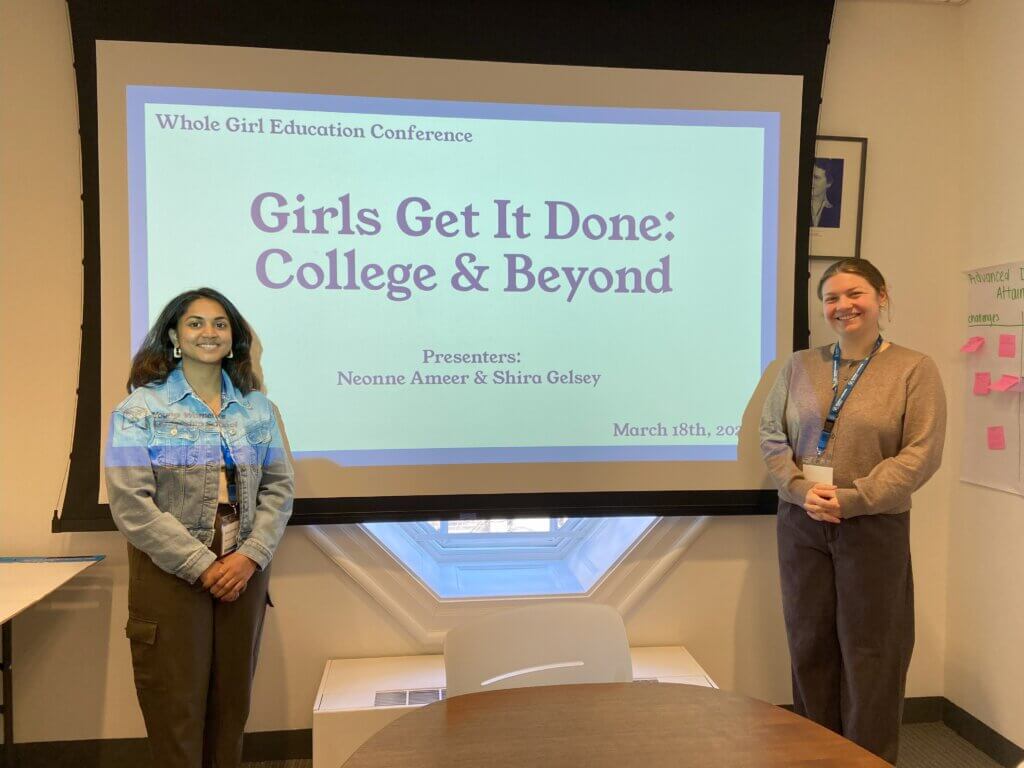
Neonne Ameer and Shira Gelsey, Directors of College Counseling who work with high school students at Young Women’s Leadership Schools in New York City, suggested a scholarship finder and Common App portal that is open to students as young as 13. “We not only vet and use these tools in our own schools,” shared Neonne, “but we also help students learn to assess whether a digital tool they found is legitimate or an email scam.” Shira added that some digital tools are designed to be accessed by both students and parents or guardians so that adults can stay aware of and involved in their child’s college process.
Girls’ Perceptions of Belonging in STEM Spaces
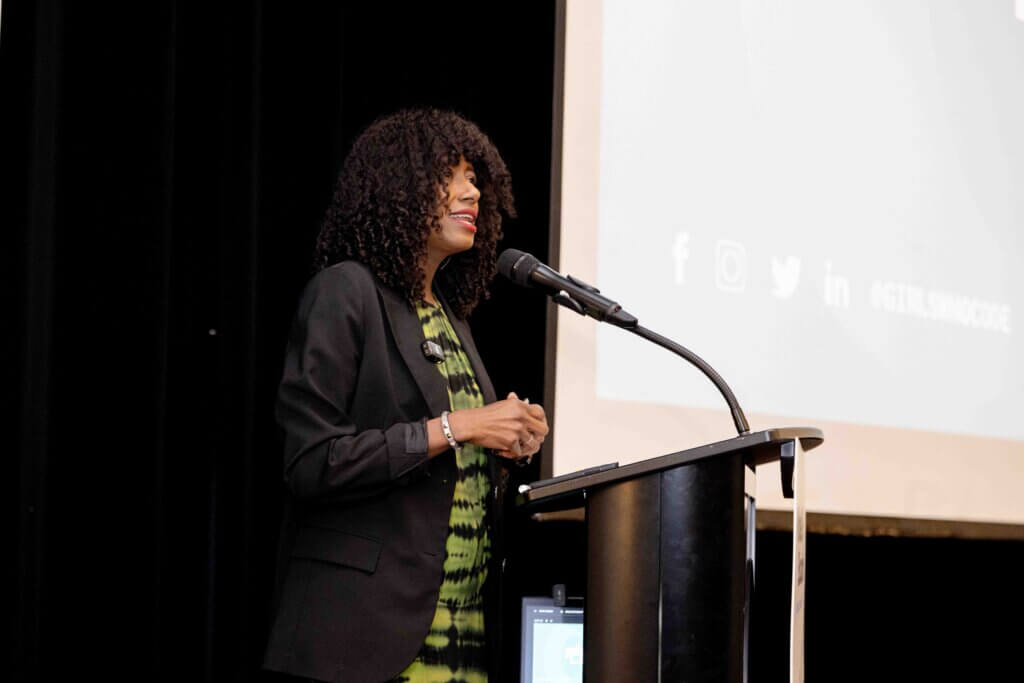
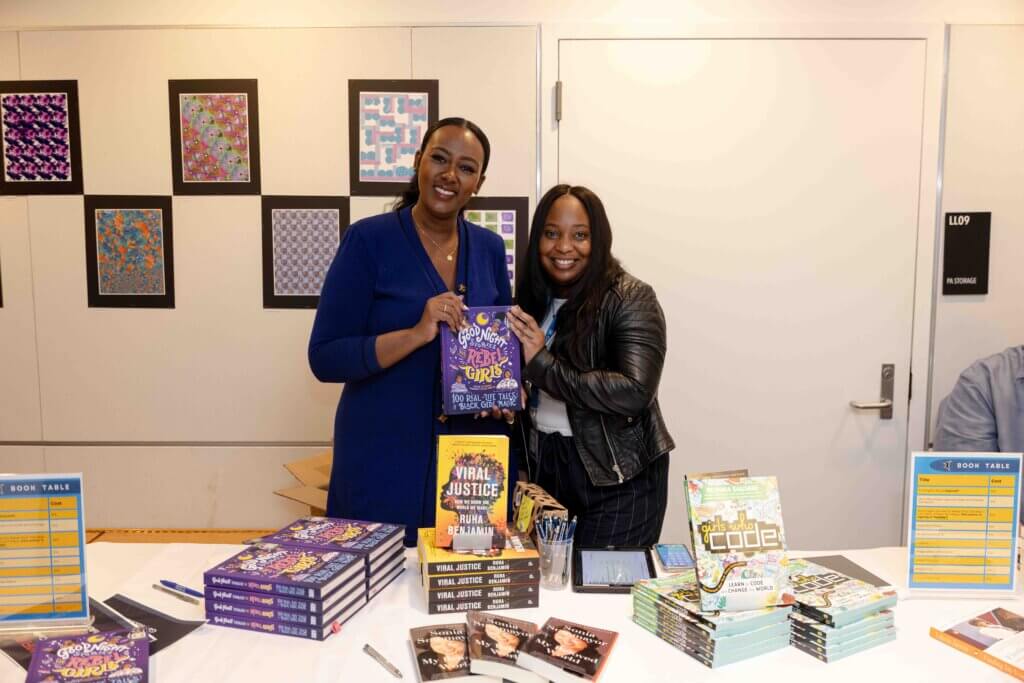
Dr. Tarika Barrett, CEO of Girls Who Code, delivered a compelling address on bridging the gender gap in computer science education and aspirations for young women. She emphasized the importance of changing the perception of female contributions and abilities in technology. “Who gets a say in how our world is lived and shaped, from sharing voting information to facial recognition software?” she asked. “It is no longer enough to just learn to code. Girls and nonbinary youth need to be able to lead in emerging and evolving technologies in cybersecurity, AI, and more.”
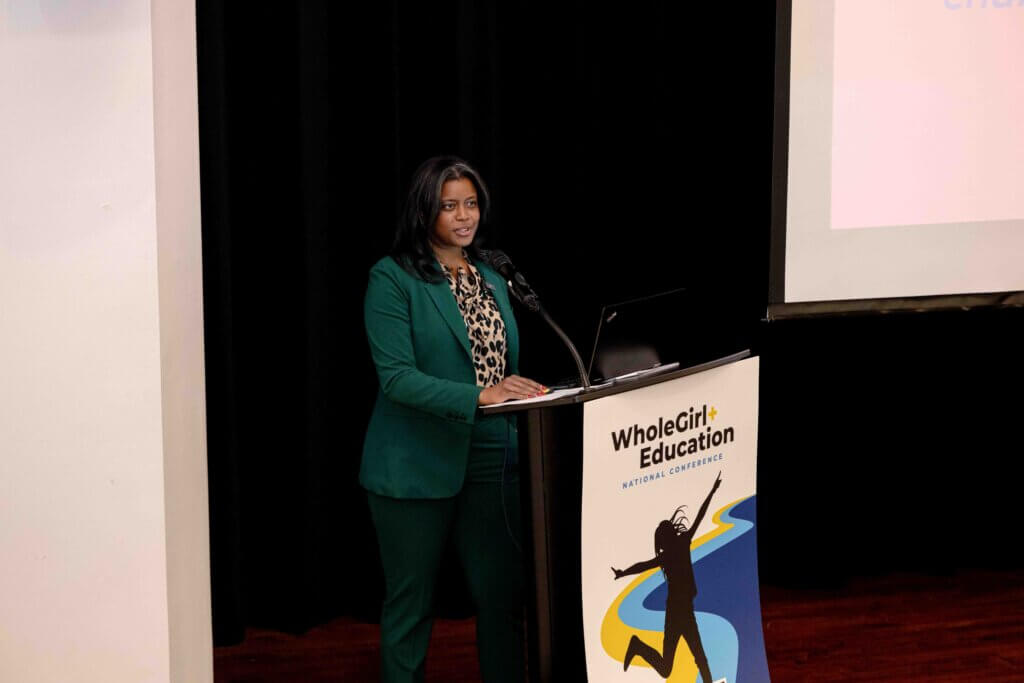
An important part of creating future pathways and belonging in college and beyond is nurturing that vision today in middle and high school classrooms. Laura Moore, Chief Higher Education Officer of the National Education Equity Lab, emphasized the organization’s goal to partner with top colleges and universities to reach 1 million students from underserved communities over the next decade. It’s already happening, as seen in the breakout session led by educators and alumnae from TYWLS Bronx and TYWLS Queens who participated in courses offered by the EdEquity Lab and have earned college credits with a 90% pass rate.
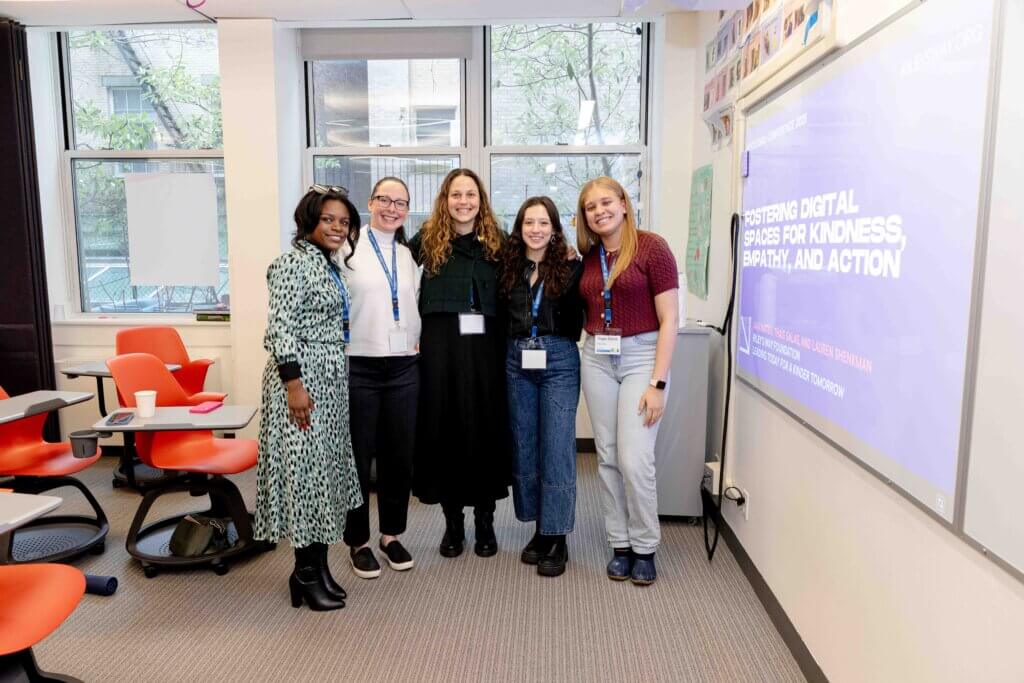
Belonging also means having safe digital spaces to find and grow community, as seen in the Riley’s Way Foundation session on fostering digital spaces for kindness, empathy, and action.
Future Pathways
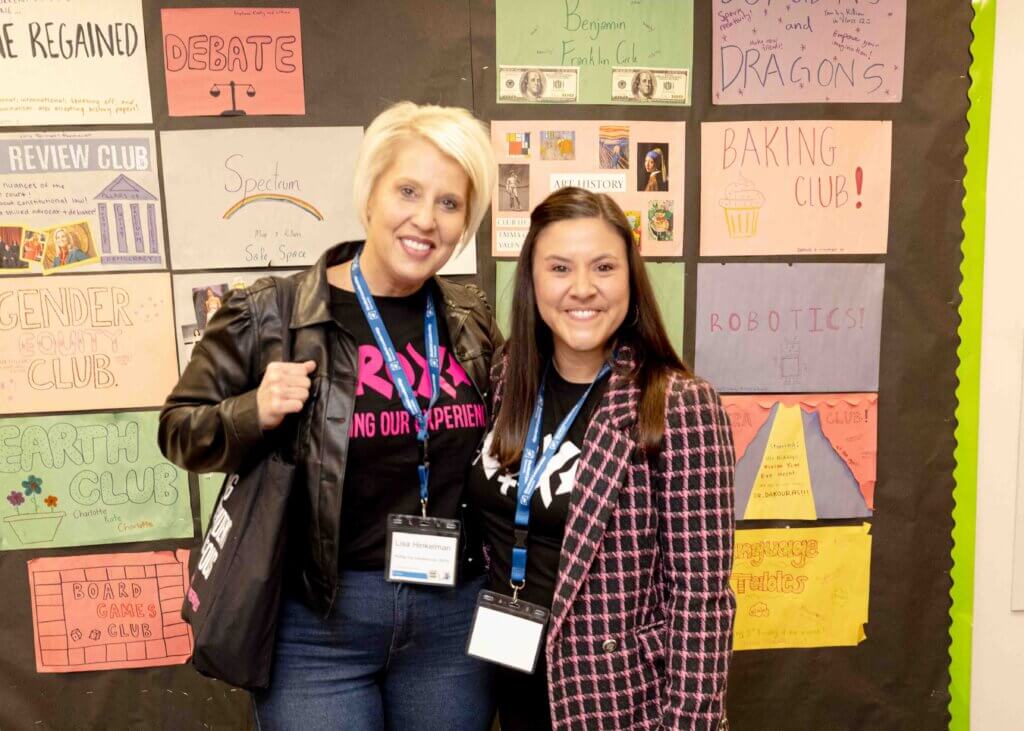
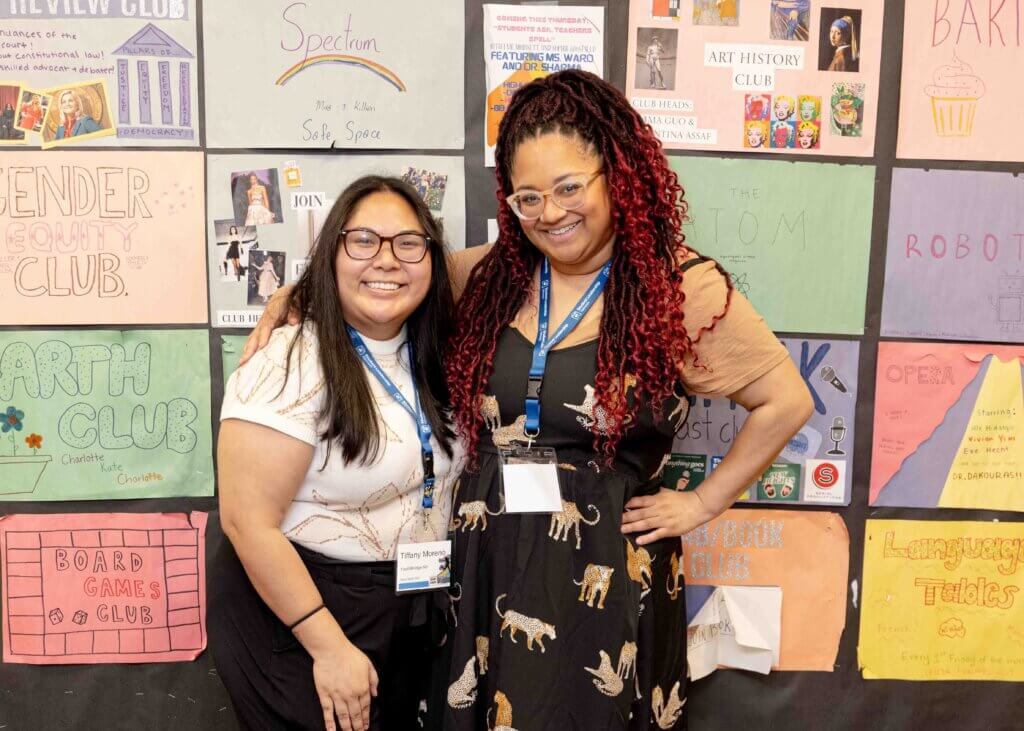
Teachers, administrators, and program partners praise the strong community in Student Leadership’s girls’+ education network and are excited by the actionable strategies they’ve gained at the conference. In addition to the daytime sessions, affinity dinners delved more deeply into the challenges and strategies for supporting girls’ schools, immigrant students, and other timely topics. One educator who was a first-time conference attendee shared that she recently left a mostly boys’ public school environment to teach at a girls’ school. She found the community at the WholeGirl+ conference a necessary and nurturing space to discover ways to support her work and her students.
Yolonda Marshall, Student Leadership Network’s CEO, reflected on the history and future of this collective work in educational equity. “We host this conference to share best practices to elevate girls’+ education,” she said, sharing a vision for Student Leadership Network to be the leader in amplifying and supporting the work of girls’ public schools across the country. In looking to the future to expand success for entire districts and create scalable, replicable impact, she noted, “We’re not done yet.” As educators return to their schools armed with new strategies, connections, and inspiration, the ripple effects of the WholeGirl+ conference will continue to benefit students nationwide.
Gratitude for Our Community
The WholeGirl+ Education National Conference is possible due to the generous support of our presenters, sponsors, and partners! Thank you to all of the presenters for hosting engaging and informative workshops. We are grateful to Nike, Insight Partners, Popular Bank, Riley’s Way, and The Nightingale-Bamford School for sponsoring the event. The tireless efforts of Sarah Boldin, Leigh Conner, Laura Rebell Gross, and the Girls’+ Education team from Student Leadership Network made this conference a resounding success and valuable resource for educators across the country. Check out more highlights from the conference below!