College Access in 2025 with Associate Director Benjamin Ramos
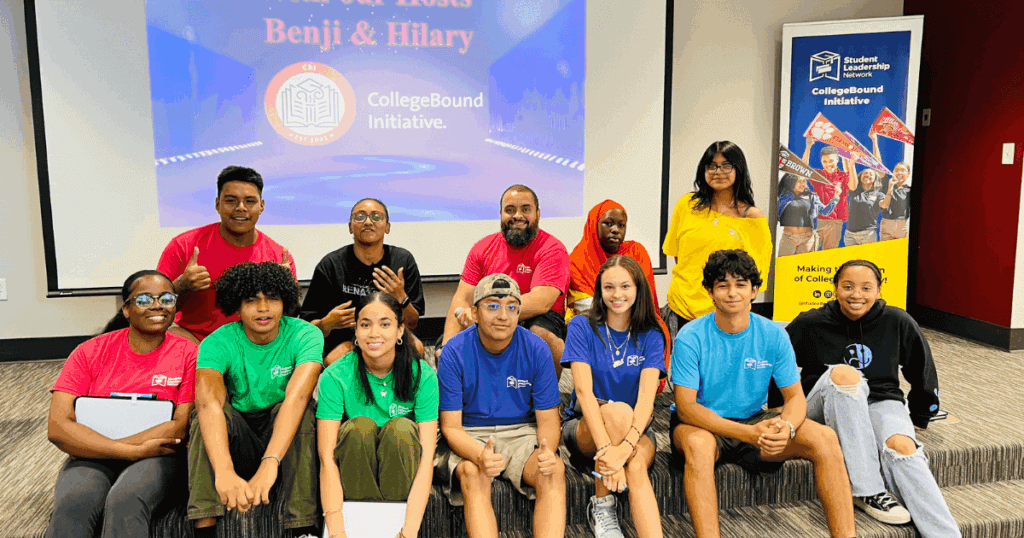
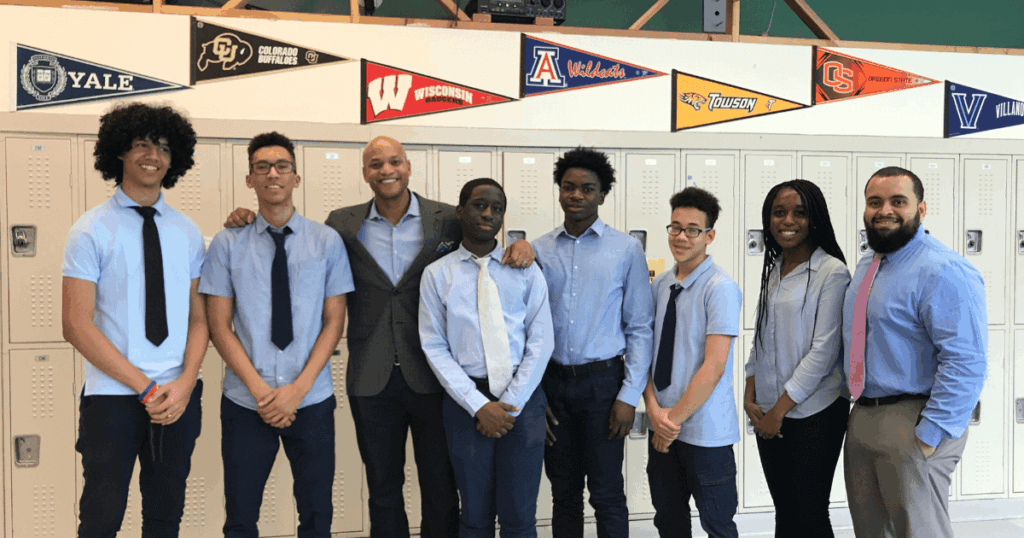
At Student Leadership Network, we believe that every student deserves access to guidance and resources that help them pursue the higher education opportunities they want. Through our CollegeBound Initiative (CBI) model, we embed full-time Directors of College Counseling (DCCs) in high-need public high schools, where they provide individualized support to help students navigate the college application process.
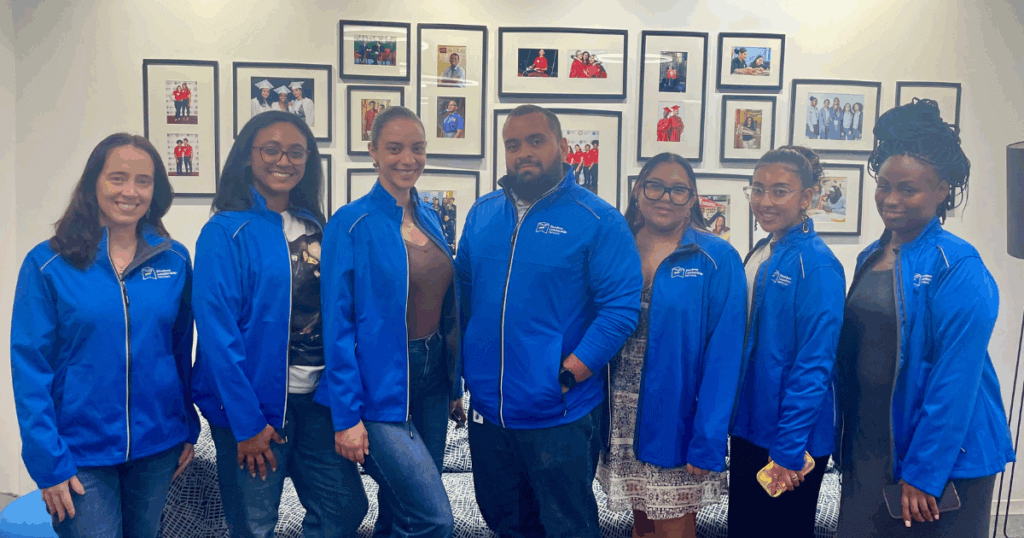
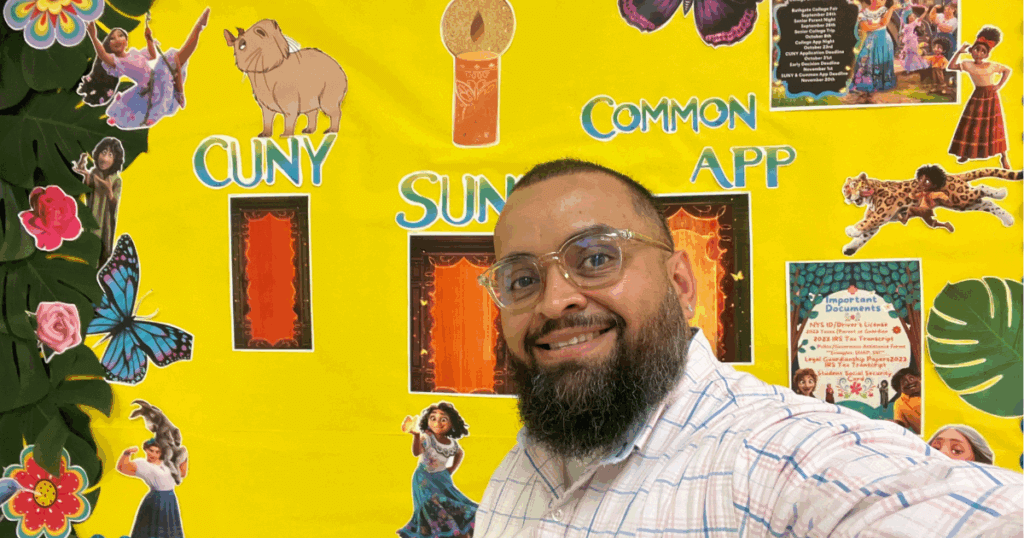
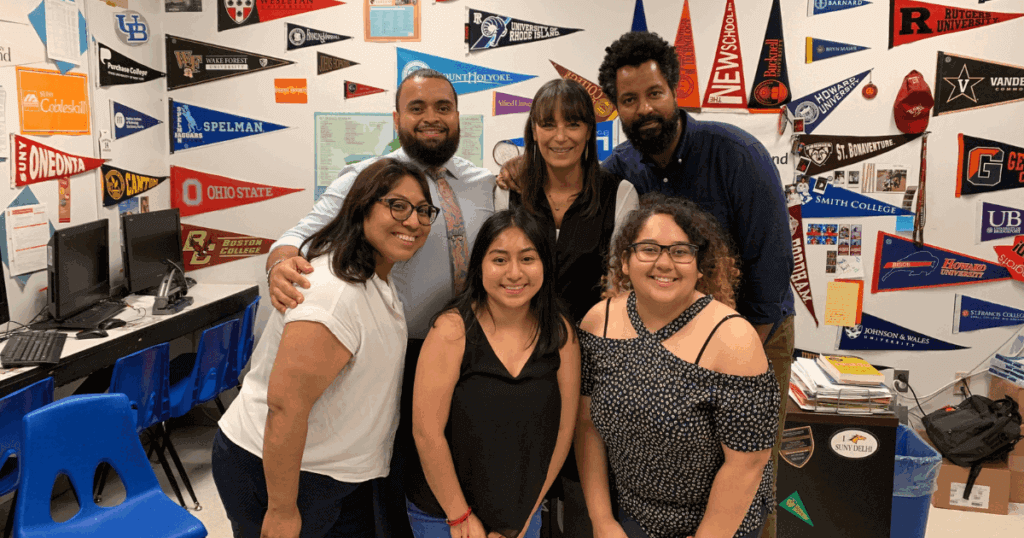
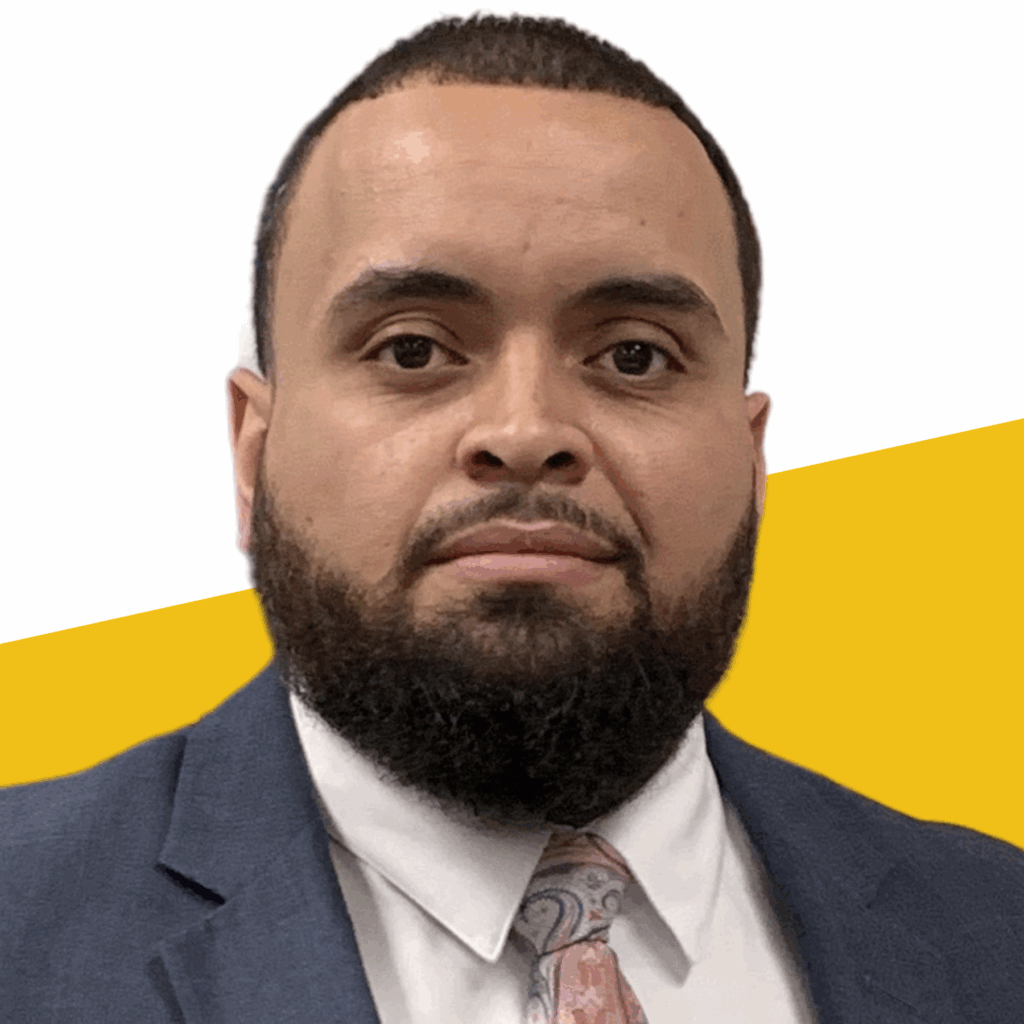
Behind every student success story is a dedicated team of leaders who are driving this work forward. Meet Benjamin Ramos – a former DCC who has now stepped into a new role as the Associate Director of Partnership Engagement, managing a team of college counselors.
Every day, I feel grateful to work alongside such talented, passionate educators and counselors who are changing lives and helping students achieve their dreams. -Benjamin
What is an impactful moment that stands out to you from your time at Student Leadership Network?
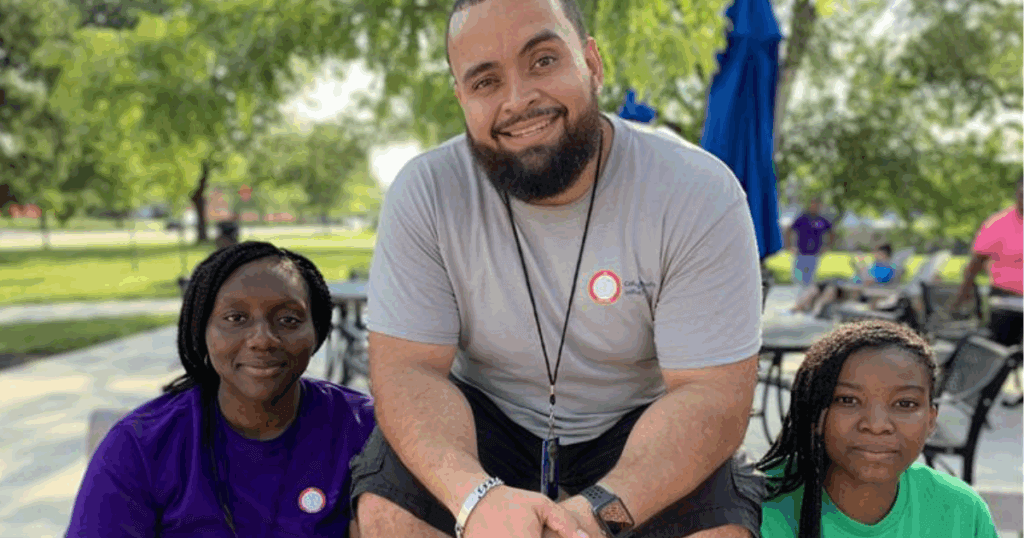
One moment that touched me happened during Teacher Appreciation Week while I was the DCC at Urban Assembly School for Applied Math and Science, a public high school in the South Bronx. A parent surprised me with a gift, and said: “This isn’t just for this year. This is for everything.” She went on to share how much it meant to her that I had supported all of her children, not just in getting into college, but also in helping them understand the various options available to them for their futures.
How have you seen the field of college access evolve during your time at Student Leadership Network?
One of the most significant changes has been the growing recognition that “college access” isn’t just about getting students into college, it’s about helping them find the right fit and ensuring they’re set up to persist once they get there. There’s also been a shift in the growing visibility of non-traditional pathways, such as gap years, trade programs, and career-track certifications. Students are more aware of the options that are available to them, and our work includes helping them understand all those paths.
I’ve also noticed a stronger emphasis on financial literacy and post-secondary planning. Families are asking more questions about return on investment, affordability, and long-term outcomes. As counselors, we’re not just supporting students with applications and essays, but also with navigating federal and state funding like FAFSA and TAP, comparing financial aid packages, understanding opportunity programs like HEOP/EOP, and even advocating for appeals.
Finally, the impact of the pandemic, the shift to test-optional policies, and the recent Supreme Court decision on affirmative action have all added new layers to this work.
Why do you do the work that you do?
I do this work because I wish I had someone like myself when I was in high school. I grew up as a first-generation student, from a low-income household, and although I was able to find my way, it could have easily gone in another direction. I understand how life can unfold when you lack guidance, and how easily potential can go unseen. This is why I show up to work every day. I do it for the students who feel overlooked, unsure, or are afraid to dream too big. I want to be the person I needed when I was their age, because for some students, just having one person who believes in them can make all the difference.
What is the biggest challenge in doing the work that you do?
One of the biggest challenges is navigating the emotional weight of this work. We’re not just helping students fill out applications; we’re also supporting them through some of the most pivotal and often stressful moments of their young lives.
As someone who deeply believes in this work, it can be challenging not to let it affect you on a personal level. I want every student to win, and when a student doesn’t get into their dream school, or when financial aid doesn’t come through, it stays with me.
How do you hope the field of college access evolves in the next 5 years?
I hope the field continues to move toward a more holistic and student-centered approach. I want to see a system where every student, regardless of background, is given the tools, information, and support to choose a path that aligns with their goals, whether that’s a four-year college, a two-year program, a trade school, or another meaningful postsecondary opportunity. I’d also love to see greater investment in lowering counselor-to-student ratios and long-term funding for college access programs, especially in communities that have historically been underserved.
Ultimately, I hope we continue to advocate for transparency and equity in higher education, particularly in areas such as financial aid, admissions practices, and student support. Navigating college shouldn’t feel like decoding a secret system. In five years, I want college access to be more accessible, honest, inclusive, and empowering for students and their families.