Journey to College: Getting the Most Out of College Fairs
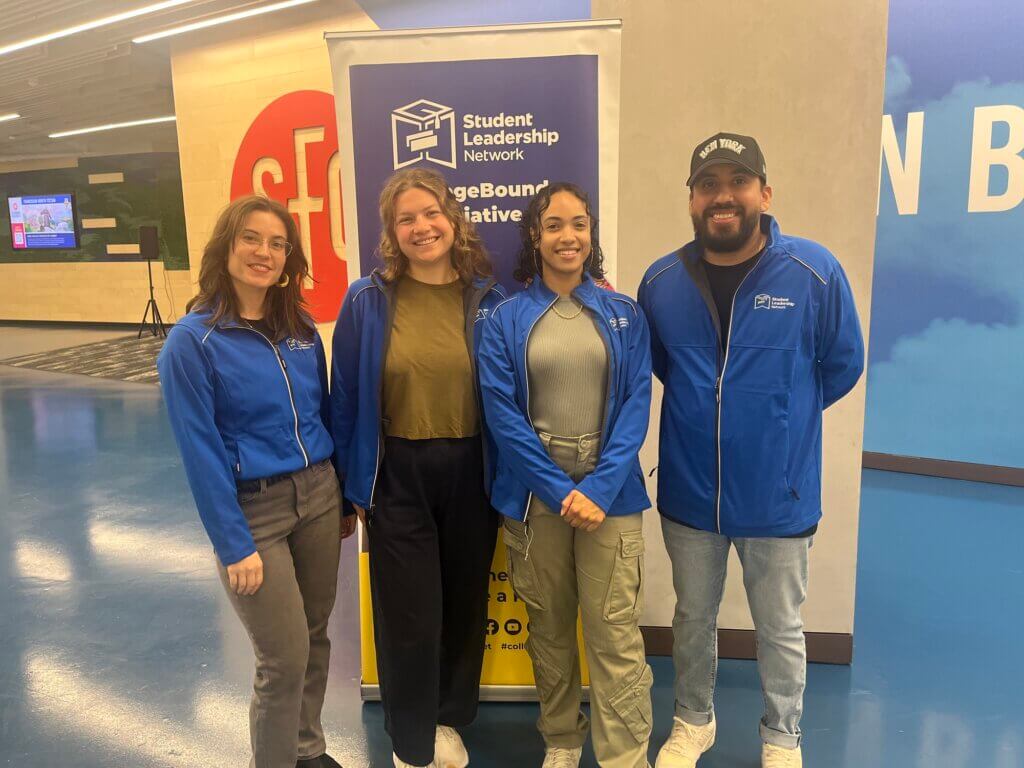
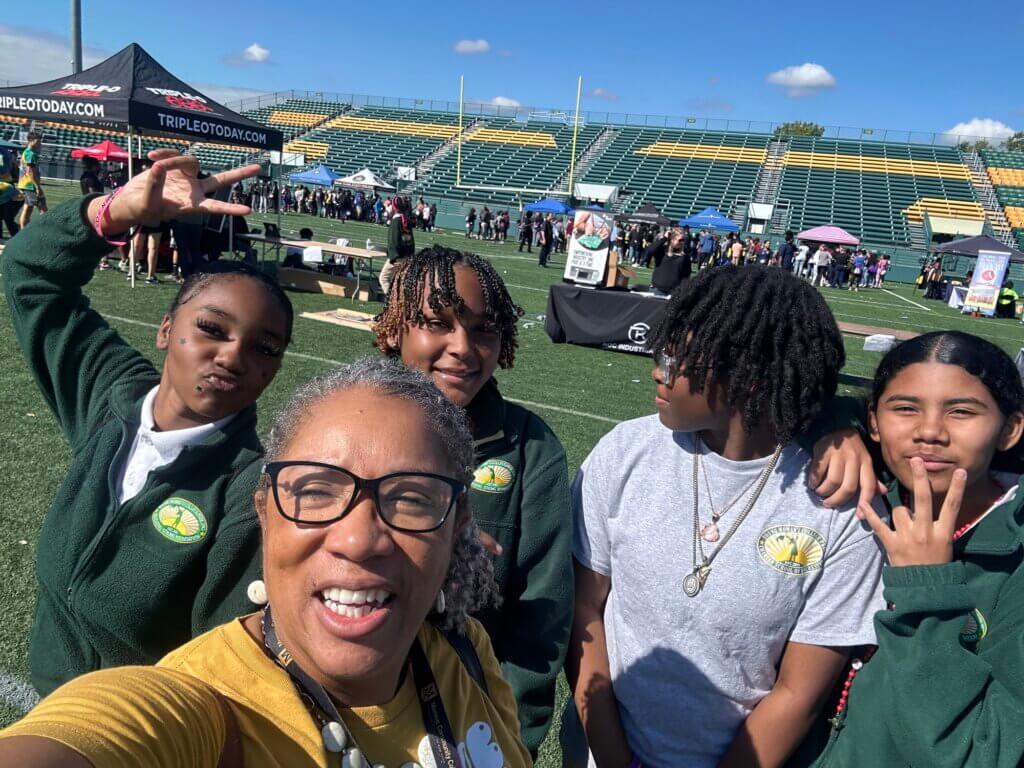
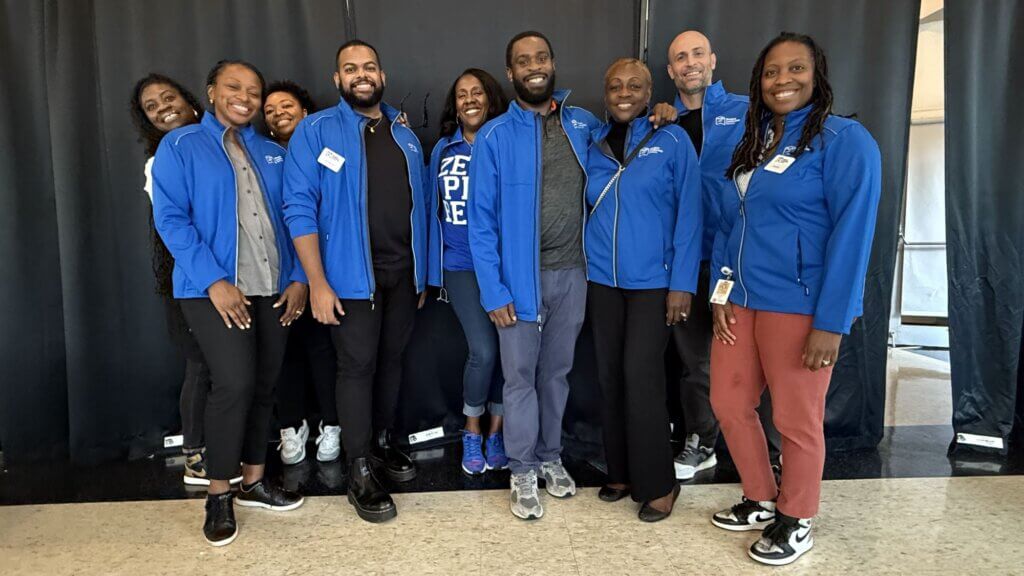
Ready to make the most of your college fair experience? Within those rows of college and university booths might be a school that fits your personal interests, academic aspirations, and financial needs. While the options might seem overwhelming at first, each admissions representative is there to help you find your college match and answer your questions. Through the CollegeBound Initiative, our directors of college counseling (DCCs) host individual school fairs and plan borough-wide collaborative college fairs to bring higher education options directly to students. Drawing from the expertise of our staff, we’ve compiled five essential tips to help you navigate your next college fair with confidence!
1. Prepare a List of College Booths to Visit
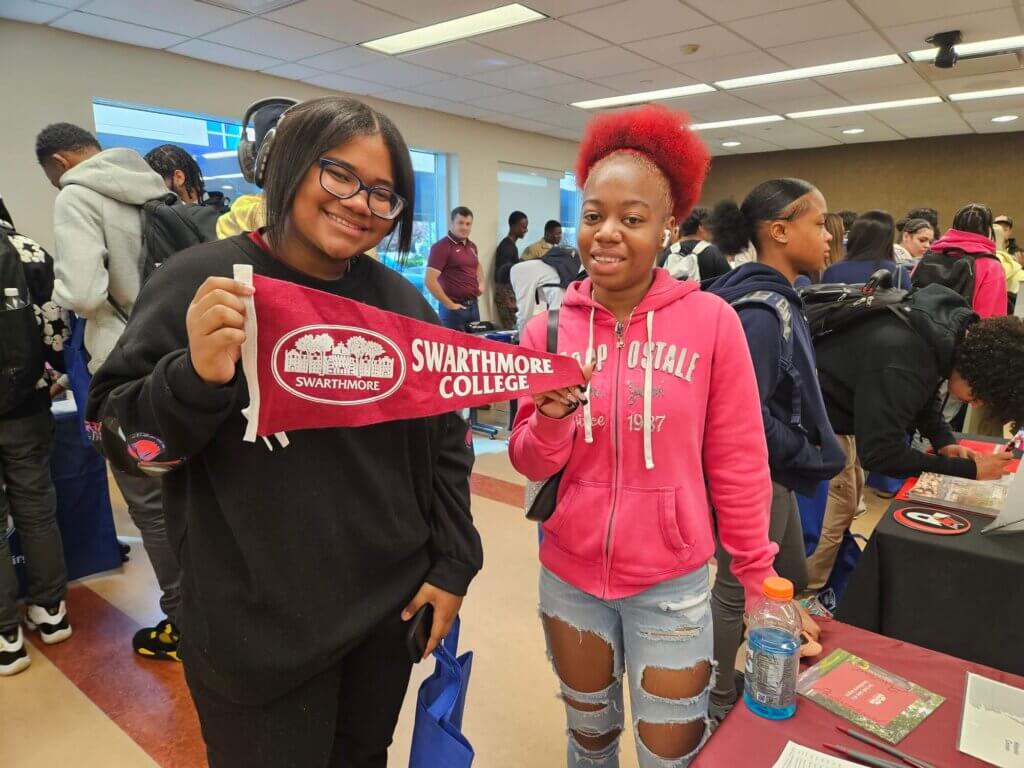
Before the college fair, get a list of the colleges and universities that will be attending. Then, select 8 to 10 schools from that list that you’d like to learn more about. Having this focused list will help you make the most of your time in what can be a large and crowded space. “It’s not just about the academics,” advised John Toribio-Perez, DCC at Frederick Douglass Academy. “It’s also about the community you want to be part of.”
After prioritizing your time based on your college list, walk through the booths again and visit a few schools you are less familiar with. Make the most of this opportunity with many colleges represented in the room. Set aside time to visit a variety of tables—never judge a book by its cover! There are many hidden gems, and you might just discover your dream college by keeping an open mind.
2. Bring a Bag for College Brochures and Giveaways

Whether it’s a college fair located in your high school or a larger event hosted in a college or university, bring a bag to hold materials from college booths! You’ll be able to take brochures, checklists, and branded items like pens and stress balls from a variety of tables as you speak with each college representative.
3. Come Prepared with Questions
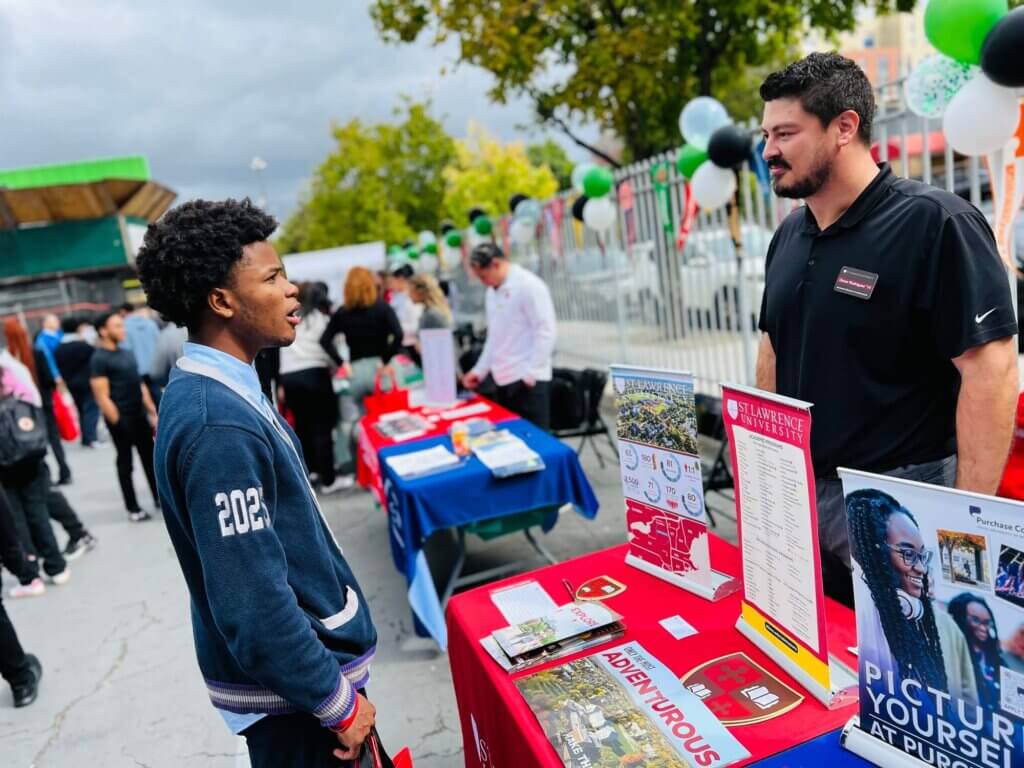
Come prepared with questions that are specific to each school to learn information beyond what can be found online. “For example, you might want to know if you’re going to be in a research classroom of 300 students or one with 20 students,” said Petronila Rodriguez, the DCC at Marble Hill High School for International Studies. “Don’t be afraid to ask questions, they’re there to answer them and give you the information you need to know to make the right choice.” A firm handshake, eye contact, and engaged questions go a long way to leaving a lasting impression. “Dress to impress and come in your best fit,” added Hilary Hernandez, DCC at Validus Preparatory Academy.
4. Fill Out Inquiry Cards
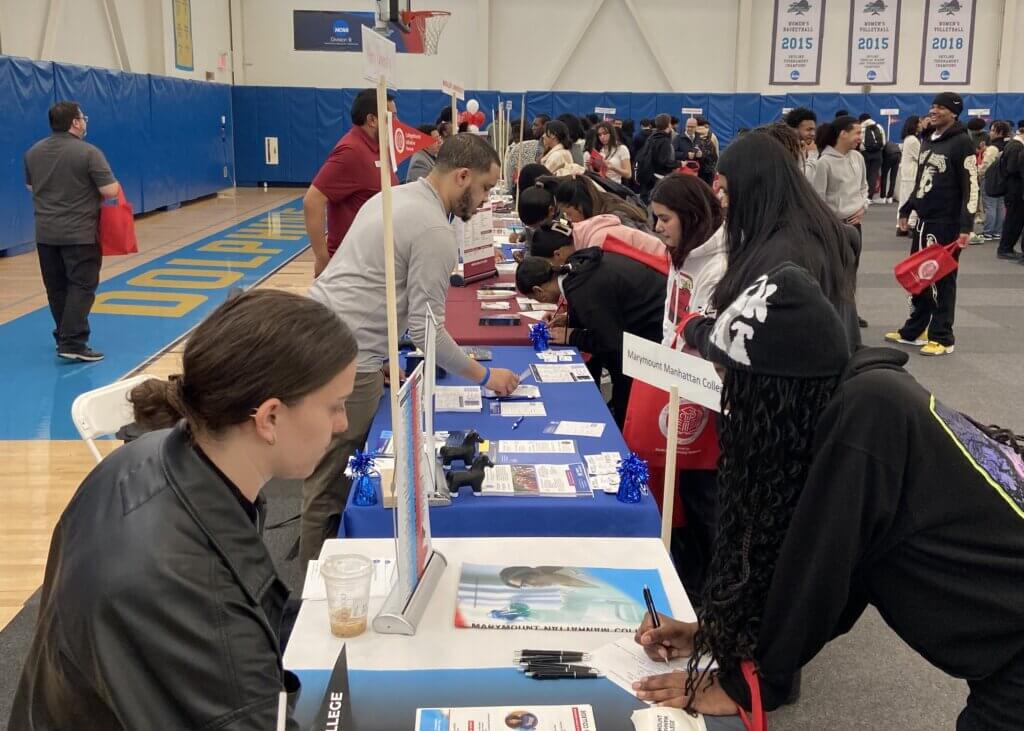
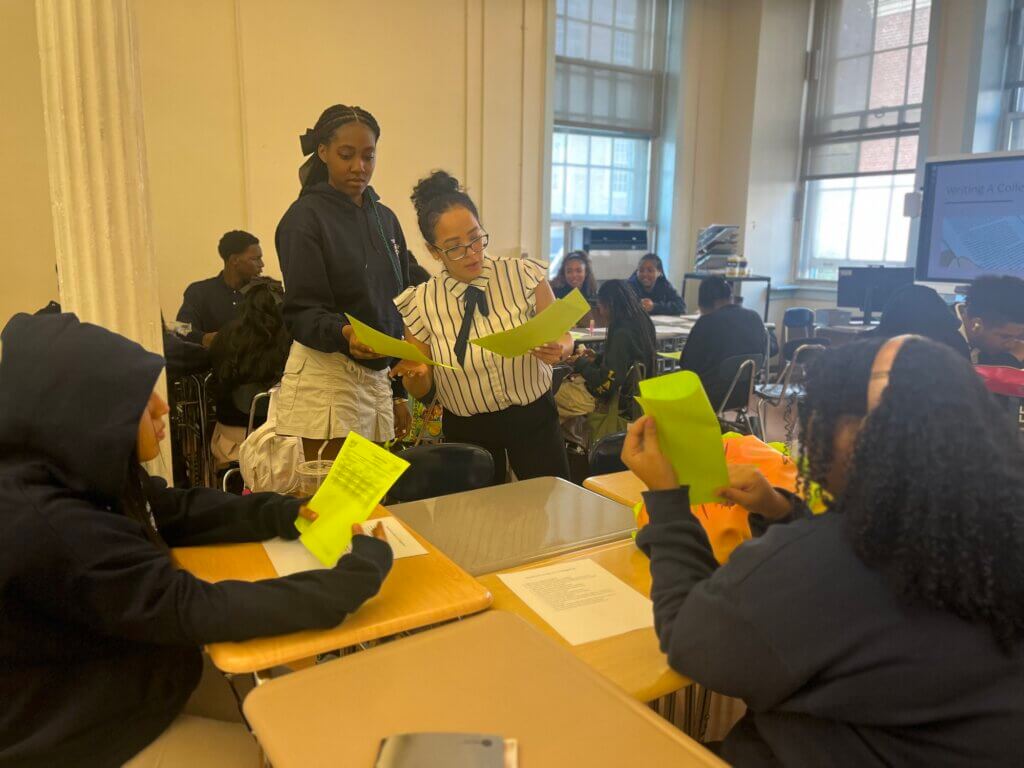
Remember to fill out inquiry cards at each college table that you’re interested in! “Filling out inquiry cards at a college fair is important because it connects students directly with colleges, demonstrating interest, which some schools consider in admissions,” said Benjamin Ramos, Associate Director of CollegeBound Initiative. “It also ensures students get tailored updates on deadlines, events, and scholarships, helping them stay informed.”
5. Take Time to Process What You Learned

Did conversations from the fair help you narrow down your college list or change your mind about what you’re looking for? Take time to look through the materials you gathered. Tanya, a senior at Spring Creek High School, shared reflections after attending CBI’s Brooklyn Collaborative Fair hosted at St. Francis College. “When it came to talking to [the college reps], I just learned so much. I want to become a therapist, but I didn’t know what I needed to do to become one. So talking to the [reps], I know more about what I need.”
For the colleges and universities you’re interested in, make sure you collect business cards from the reps you met and send a thank you email including a detail from your conversation that stands out.
Next Steps: Connect with Your College Counselor
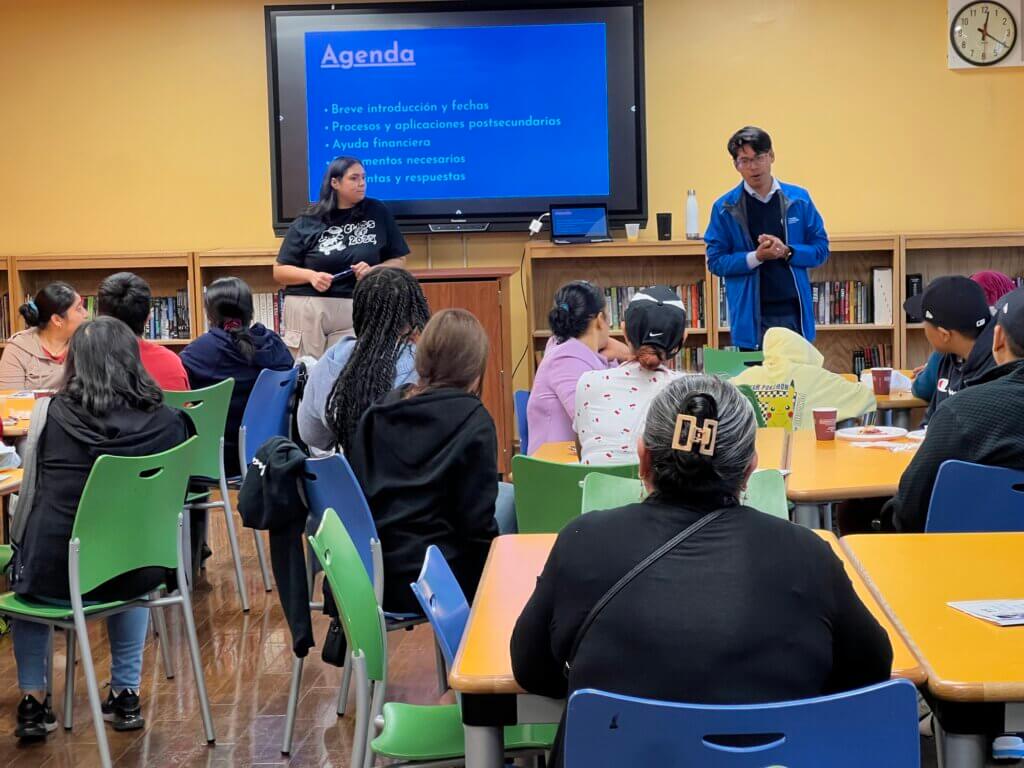
Remember to meet with your college counselor after the college fairs to talk about your impressions and receive guidance on your next steps. Can you visit any of the colleges on your list through the school, or with family and friends? What materials do you need to get started on the application? What about financial aid and how to pay for college? “Get connected with your college counselor,” said Kevin Sanchez, DCC at The Lab School of Finance & Technology. “They are the experts in this field. Make sure you go to their office every week!”